Free tarot guides
Learn Tarot, One Card at a Time
New to tarot? Explore free, easy-to-follow guides covering card meanings, tarot spreads, symbolism, history, and how to read your own cards. Learn at your own pace, then practice with NowTarot.
Start here
How to Read Tarot Cards for Beginners
A beginner-friendly guide to tarot readings: learn the deck, ask clear questions, choose a simple spread, and interpret your first three-card pull with confidence.
Read the beginner guideBrowse by topic
Getting Started
Your first reading, how the deck works, and how to ask questions that lead somewhere useful.
Tarot Spreads
Choose a layout, understand what each position does, and read several cards as one story.
Interpretation & Symbolism
Reversals, the Major and Minor Arcana, and using tarot as a tool for reflection.
History & Divination
Where tarot actually came from, and how it fits among other divination traditions.
All guides
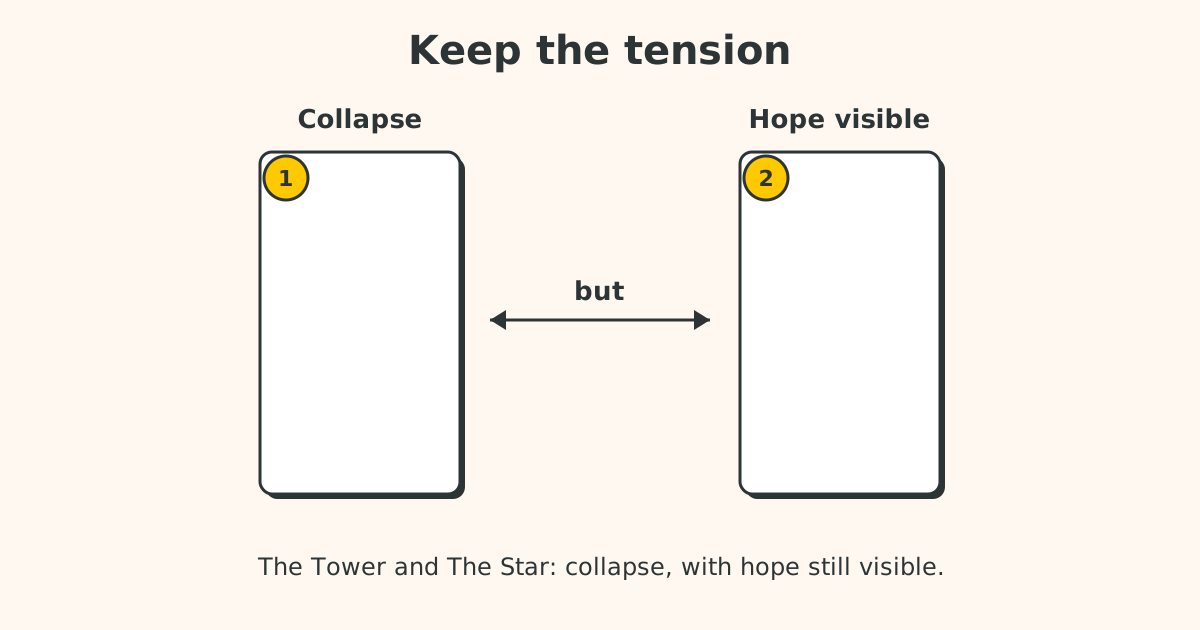 Tarot SpreadsHow to Interpret Multiple Tarot Cards TogetherInterpretation & SymbolismUpright vs. Reversed Tarot Cards: A Practical, Non-Superstitious GuideInterpretation & SymbolismMajor Arcana vs. Minor Arcana: Understanding the 78 Cards of TarotHistory & DivinationThe History of Tarot Cards: From 15th-Century Game to Modern Divination
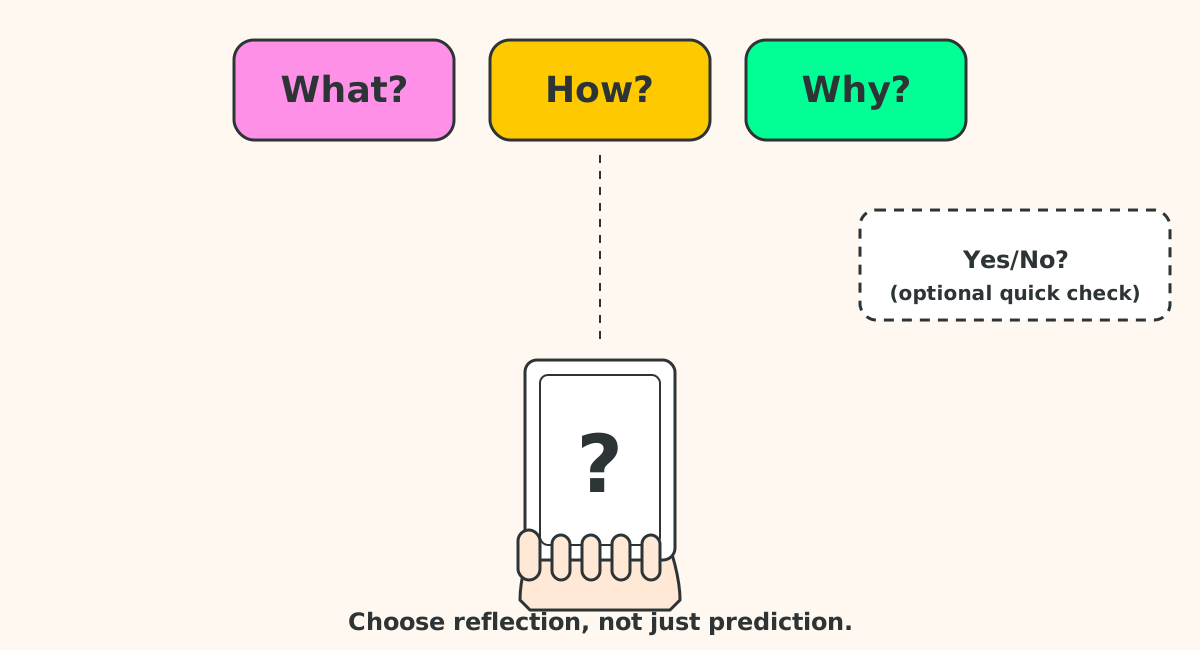 Getting StartedHow to Ask Good Tarot QuestionsInterpretation & SymbolismTarot for Self-Reflection and Personal GrowthHistory & DivinationWhat Is Divination?
Explore all 78 tarot card meanings
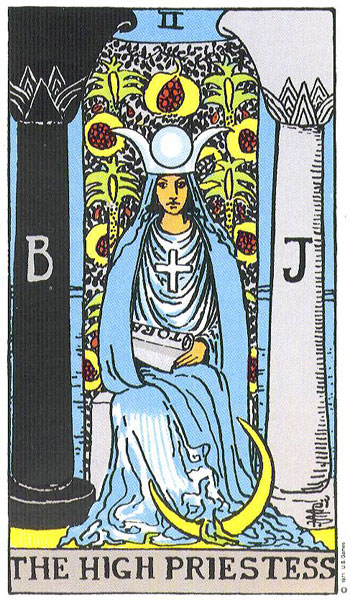
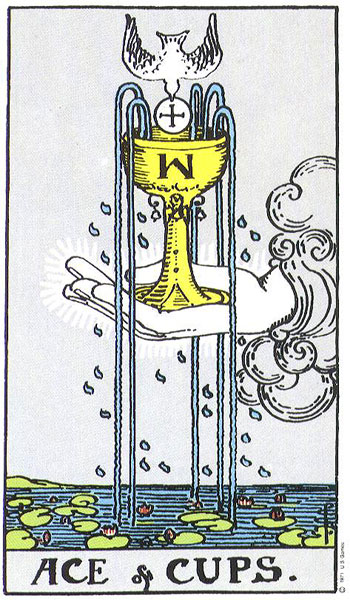
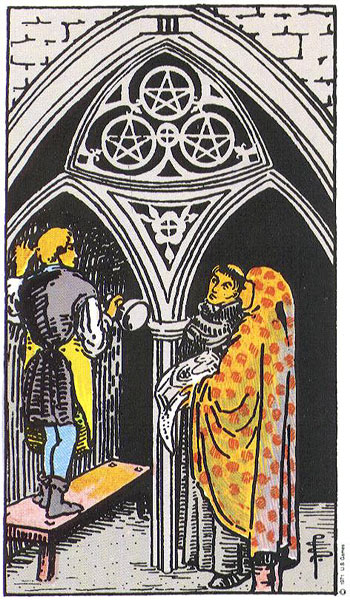
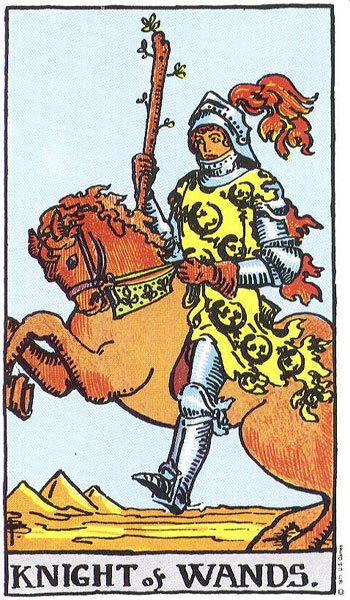
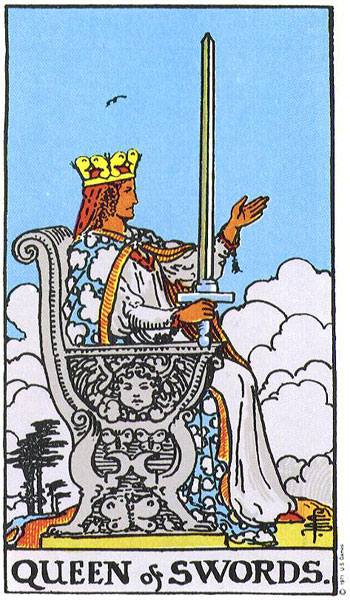
Every card in the Rider–Waite–Smith deck, upright and reversed, with the symbols to look for and how each card tends to read in love, work and day-to-day questions.
Browse card meanings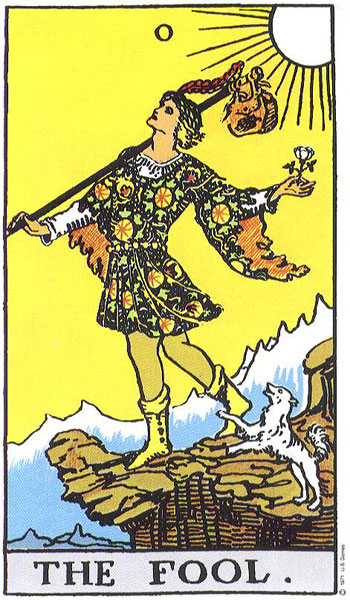
Practice what you learned
Why we made this library
NowTarot exists to make tarot, astrology and personal reflection free to explore. These guides are here so you can learn the craft without paying for a course. Each one is built from published sources: museum collections, historians, and experienced tarot teachers. We check every factual claim against those sources and list them at the end of the guide. Where readers disagree, we say so. Tarot is presented here as a tradition and a tool for reflection, not as a way to know the future for certain.